The importance of paying yourself first
This post is dedicated to covering various strategies I’ve taken to successfully build more wealth. They are simple steps which don’t involve doing or knowing anything technical or sophisticated. Steps anyone can take, and only involve making your mind up that you’ll stick to them.
One of the things we’re proudest of here at Passive Value Investor, is the common-sense approach we take to promote the skill-set of growing money. You’ll notice a common thread tying these pages together – an attitude of fundamental good sense. Looking for get-rich-quick schemes? You won’t find any of those here. They don’t work because if they did, everyone would be wealthy. Here at Passive Value Investor, you’ll see that the tone is quite simple and the common thread to all our posts is that growing wealth is attainable to everyone with an income if they combine common sense with a healthy dose of discipline. This combination stands the test of time, and leads toward increased financial freedom. It has for me and I believe it can for you as well.
Let’s start with the often missed opportunity of:
THE IMPORTANCE OF PAYING YOURSELF FIRST
Consider that payday is your payday too! I call it ‘Pay-Me’ day.
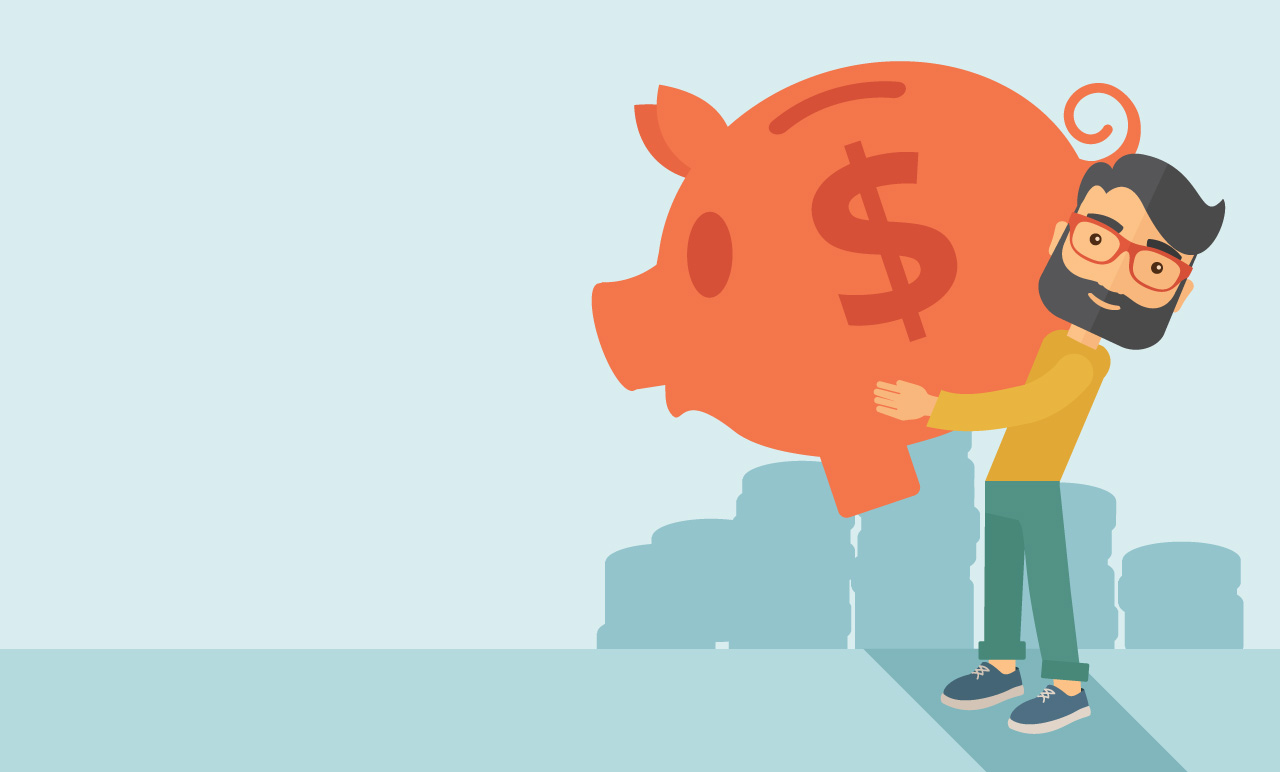
At the top of the list of the strategies anyone can use, is establishing the disciplined practice of paying them self first. Yes first, as in right off the bat before fixed expenses like rent, groceries, and other necessities. Consider that you are a necessity. Let’s break this down:
The common mindset is that when we receive our salary, we must immediately tend to all our basic needs and our financial responsibilities, commitments, and debts. While this is a noble approach to take in being financially responsible, these shouldn’t be the very first payments we attend to. Consider injecting one additional cash disbursement ahead of that routine. A cash disbursement to be paid before any and all others. A cash disbursement to you!
In our culture, where consumerism is king, and pressure to spend money hits us hard just about everywhere we turn, paying ourselves first accomplishes two things: it trains us to become more disciplined savers, and it actually creates those savings. Think of it as an act of self-respect, to financially reward yourself first. Just as you treat seriously the paying of your credit card balance on time, and just as you responsibly tend to your mortgage payments on time every time, that same level of attention to pay yourself as soon as you get paid before any other expenses, will pay off for you with dividends in the long term. It’s doubtful that anyone has ever not benefited from paying them self first.
Think about it – aren’t you personally just as important to yourself as the credit card companies and banks are to themselves? Of course you are, because you’re the one who worked so hard to earn the money that enabled you to have the mortgage, and make the credit card purchases in the first place.
The way I apply this particular financial strategy is to come up with a dollar amount I know I can live without on a week-to-week basis. I crunched the numbers of my monthly household budget and arrived at a figure I’m comfortable regularly putting aside and living without. This amount should literally be an amount you can for sure live without as you meet your current, regular expenses. It can be as little as $20 out of every paycheque or less. It actually doesn’t matter what the amount is – the only criteria for this to work, is that you maintain it no matter what! Treat this money (hopefully placed into a separate bank account) as though you will only access it when you retire. Once you place it into the account, consider that you don’t have it anymore. To make it even easier to stick to, you can arrange it to be done as an automatic funds transfer, executed by your bank on your instruction. For instance, instruct the bank that from each paycheque, or on the 15th of every month, they are to transfer $XX.00 to the ‘Pay-Me’ account. By automating the process, you free yourself from having to choose to do it each time, thereby removing the danger of possibly choosing not to.
It’s a wonderful feeling of accomplishment to see those savings pile up, and all because you implemented a simple, automatic, money-building strategy. Once in progress, it shouldn’t feel any different than any other bill payment, except maybe better, because the payment is to you!
Consider your future self
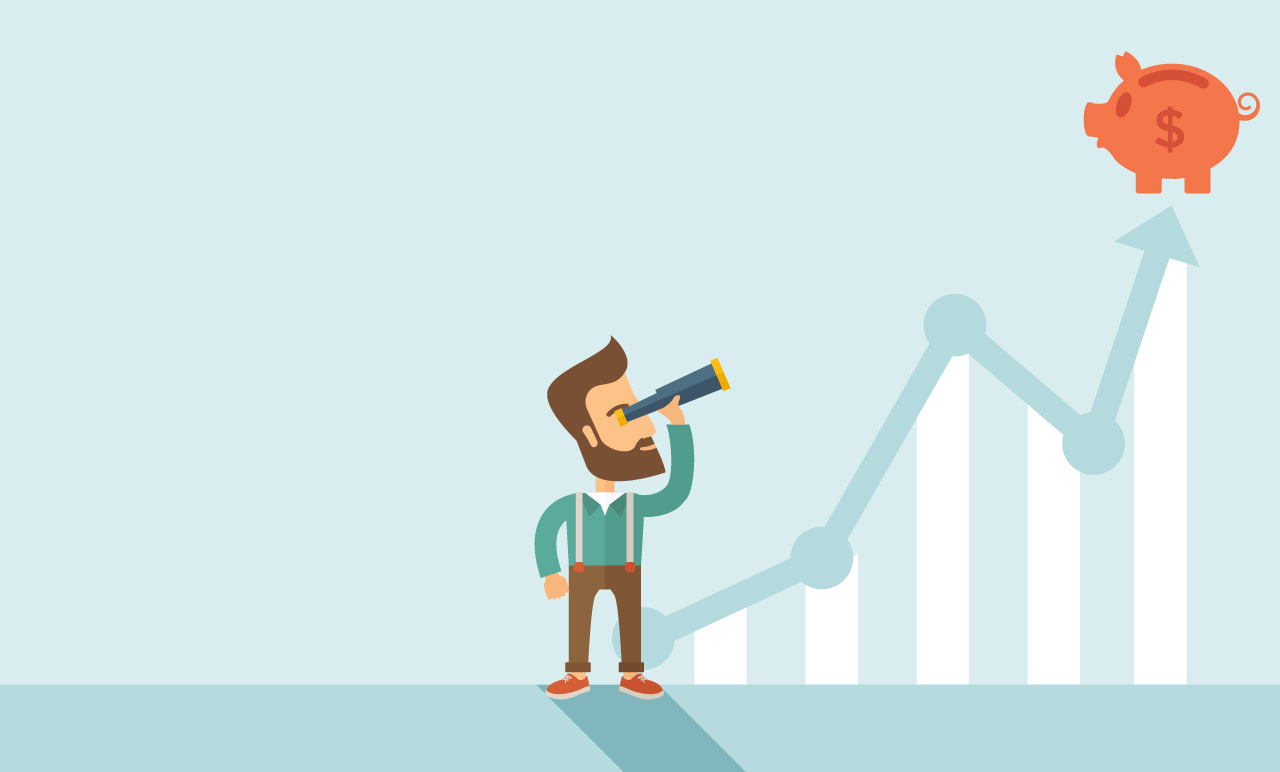
You can better accomplish the above tip if you begin to regularly picture yourself years down the road, instead of only considering the here and now. How often do you hear people say that they can barely make ends meet, let alone put any money aside for savings? I hear it all the time. But did you ever notice that some of these same people, often only a few months later, buy the latest, brand new phone, or worse, take on the financial commitment of leasing a new car they just ‘had to have’? It certainly begs the question: ‘how did they find the money for those purchases?’. The financial lesson here is that yes, in fact they did have money they could’ve put aside bit by bit to pay their future self, but they chose not to; instead, they got caught up in the trap of immediately gratifying spending to enjoy now. If they could only have realized that those same dollars spent, amortized instead within a savings plan over the years, would have contributed greatly toward building their future wealth. So it demonstrates the philosophy that placing value on the future adds to the value of the future, whereas placing value on the now, only adds value to the now, and might I add, at the expense of the future.
By learning to live with slightly less today in order to have more (much more) tomorrow, you will quickly see it add up, and realize the sacrifices were smaller and fewer than you imagined. Maybe one less take-out meal, maybe not buying that shirt you saw on display in the window. Train yourself to be mindful of the future as much, if not more, than the present.
Out of sight, out of mind
After reading the above, you might be wondering where best to put this ‘paying-myself-first’ money. How tempting it would be to spend it if it were easily accessible. Good thinking on your part! That’s precisely why this next strategy is key to helping all the above work well. There are several options open to everyone who wants to participate in this type of ‘forced-savings plan’. I love to spend money. There are a lot of gadgets out there and it doesn’t take much or long for me to be tempted to buy, buy, buy. Here are some tips I use to keep the money from being spent, which I’ve had success with and want to share with you here:
I opened a bank account in a separate financial institution from my usual one, for which I don’t have a debit card or cheques available to me to use. That alone saves me from frivolously spending from that account. I chose a high-interest account which penalizes me if I make more than a certain amount of withdrawals in a given time, and it pays higher interest for that discipline. So in truth, I don’t want to withdraw from that account. I opened the account with the attitude that it was a deposit only account. In the event of an emergency, yes, I can transfer money out of it, but making debit purchases are not possible and that’s a huge leg-up toward keeping the money in the account.
Another option where my payday ‘Pay-Me’ money goes is into a GIC I’ve opened with my regular bank. They pay higher yields than regular chequing or savings accounts, and because they’re investment accounts, I think of them as a place to ‘grow’ my money, not spend it.
I always recommend to people that they start small to more easily get into the habit of some of these strategies. By starting small and slow, you will soon enough see what works for you. As mentioned, even if it’s as little as $20 every 2 weeks, it will still add up to $520 a year. And for that ‘found money’, all you might have had to do was possibly skip a morning latte once a week. Very doable!
The point is that for this to work, all you have to do is pick an amount you won’t miss having as disposable income on a weekly or monthly basis, and stick to it. It goes without saying that the earlier you begin, the more you’ll amass. Start small and watch your hard-earned money grow right before your eyes. What usually happens is that in very short order, you’ll find other small expenses you can cut back on or cancel, and choose to increase the payments to your ‘Pay-Me’ account even more! I found out early on that I actually enjoyed not only putting the money away, but finding new ways to put more away. I became an enthusiastic saver. Me of all people, the previous spender!
I hope some of these systems help you to set aside small but regular and consistent payments to you and your future self.
What are some of the strategies you use to save money? Tell us in the comments below.
We’d love to hear from you.
We invite you to share this website with your social network of friends, family, business associates, and colleagues. Let’s spread our valuable ideas about taking more control to grow our hard-earned money.
Please bookmark PassiveValueInvestor.com for easy reference, and thank you for stopping by.